Why the US and Israel’s alliance endures – even when it strains
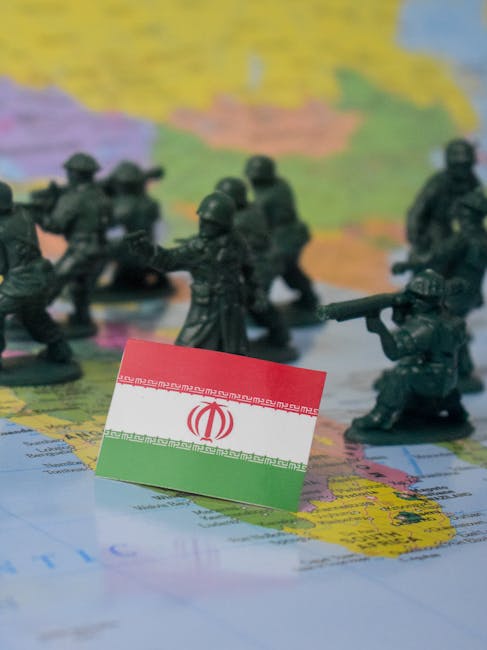 **Geopolitical Implications of Emerging Technologies on Modern Warfare**
Geopolitical Implications of Emerging Technologies on Modern Warfare
The rapidly evolving landscape of emerging technologies is revolutionizing modern warfare, introducing new paradigms in military strategy, tactics, and operations. As the world witnesses unprecedented advancements in artificial intelligence, cyber warfare, autonomous systems, and 5G networks, the nature of conflict is undergoing a profound transformation.
Artificial Intelligence: The Game Changer
Artificial intelligence (AI) is poised to become the most significant disruptor in modern warfare. With the ability to process vast amounts of data at unprecedented speeds, AI-powered systems can identify patterns, make decisions, and execute actions in real-time, exponentially enhancing the speed and accuracy of military operations.
- Enhanced Situational Awareness: AI-driven sensors and drones can provide unparalleled situational awareness, enabling military commanders to make more informed decisions in complex, dynamic environments.
- Autonomous Systems: AI-powered autonomous systems, such as drones and tanks, can operate independently, reducing the risk to human lives and increasing the tempo of operations.
- Cyber Warfare: AI-driven cyber warfare capabilities can disrupt enemy command and control systems, disable critical infrastructure, and steal sensitive information, all with unprecedented speed and precision.
Cyber Warfare: The Invisible Front
Cyber warfare has emerged as a critical domain in modern conflict, with nation-states and non-state actors engaging in a constant struggle for digital superiority. The 5G network, with its increased speed and connectivity, has exponentially amplified the cyber threat landscape.
- Nation-State Actors: Sophisticated nation-state actors can wage devastating cyber attacks, disabling critical infrastructure, stealing sensitive information, and disrupting the global supply chain.
Terrorist organizations and cybercriminals can exploit vulnerabilities in 5G networks, causing massive disruptions to civilian and military assets. - Asymmetric Warfare: Cyber warfare has leveled the playing field, enabling weaker actors to inflict disproportionate damage on more powerful adversaries.
Autonomous Systems: The Ethics of Lethal Decision-Making
Autonomous systems, such as drones and tanks, raise critical ethical questions regarding the role of human judgment in lethal decision-making. As AI-powered systems assume greater autonomy, the risk of unintended consequences and civilian casualties increases.
- Proportionality: Autonomous systems must be programmed to respect the principles of proportionality, avoiding unnecessary harm to civilians and civilian objects.
- Accountability: Clear chains of accountability must be established to ensure that humans, not machines, are ultimately responsible for lethal decisions.
- International Norms: The development of international norms and regulations is critical to ensuring the ethical development and deployment of autonomous systems.
Conclusion
The convergence of emerging technologies is redefining the character of modern warfare, introducing unprecedented opportunities and challenges. As the global security landscape continues to evolve, it is essential for nations to engage in open and informed discussions about the geopolitical implications of these technologies, ensuring that their development and deployment are guided by a commitment to human safety, security, and ethical principles.



0 Comments