For decades, Russia has been viewed as one of the world’s foremost military powers—shaped by Soviet-era strength, vast nuclear forces, and a deep tradition of warfare. Today, the Russian Armed Forces remain a central pillar of Moscow’s global influence, even as modern conflicts expose both strengths and structural weaknesses.
This in-depth profile explores Russia’s military doctrine, forces, technology, and future trajectory in the evolving global security environment.
A Military Built on Deterrence and Depth
Russia’s military thinking is deeply influenced by geography and history. With vast borders, harsh terrain, and memories of invasion, Moscow prioritizes strategic depth, deterrence, and escalation control.
Modern Russian doctrine emphasizes:
- Defending the homeland and near abroad
- Nuclear deterrence as a core pillar
- Layered air and missile defense
- Hybrid warfare, blending conventional force, cyber, information, and proxy operations
Rather than global power projection like the United States, Russia focuses on regional dominance and strategic leverage.
Defense Budget: Smaller Than It Looks
Russia’s defense budget is significantly smaller than that of the U.S. or China, estimated at roughly $100–120 billion, though wartime spending and classified programs increase real expenditures.
Despite limited funding, Russia compensates through:
- Large stockpiles of Soviet-era equipment
- Domestic arms production
- Emphasis on missiles and artillery over expensive platforms
- Lower personnel and procurement costs
This creates a military that is firepower-heavy but resource-constrained.
Russian Ground Forces: Mass, Artillery, and Armor
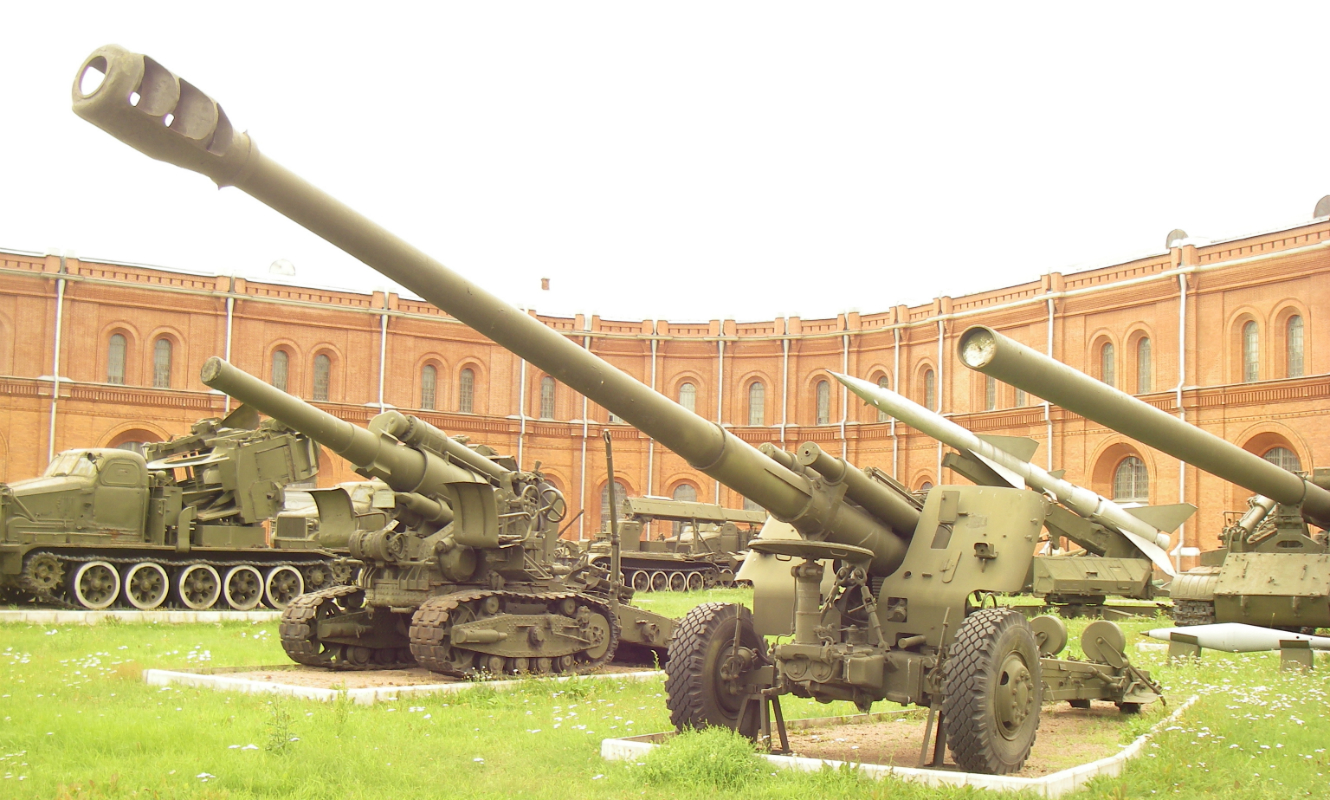
The Russian Ground Forces form the backbone of Russia’s conventional combat power.
Key characteristics:
- Heavy reliance on artillery and rocket forces
- Large armored formations
- Strong integration of electronic warfare
- Emphasis on attritional warfare
Notable equipment includes:
- T-72B3 and T-90M main battle tanks
- BMP and BTR armored vehicles
- Iskander-M short-range ballistic missiles
- Grad, Smerch, and Tornado rocket artillery systems
Russia’s ground forces excel in sustained firepower but have struggled with logistics, coordination, and modern combined-arms execution.
Russian Navy: Power Beneath the Surface
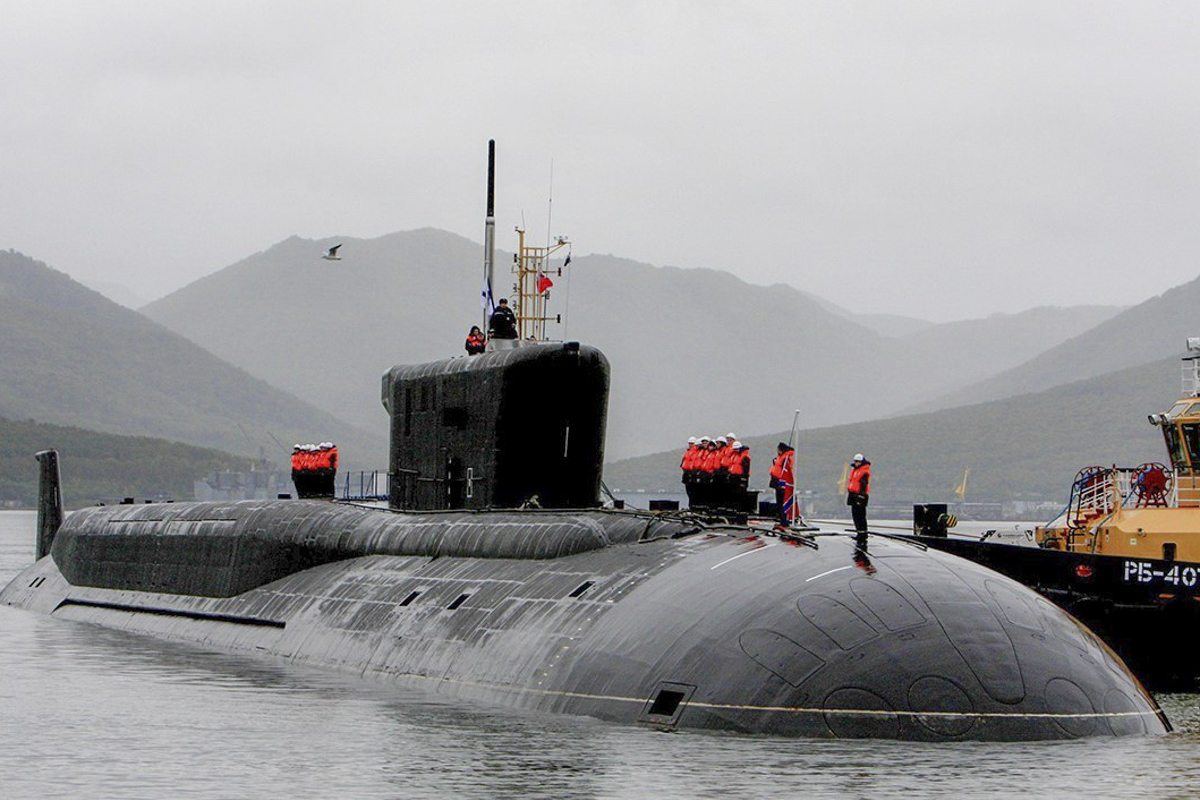
The Russian Navy is smaller than its Soviet predecessor but remains strategically important.
Russia focuses on:
- Submarine warfare
- Long-range cruise missiles
- Coastal and bastion defense
Key assets:
- Borei-class nuclear ballistic missile submarines
- Yasen-class nuclear attack submarines
- Kalibr cruise missiles capable of long-range precision strikes
Unlike the U.S. Navy, Russia does not seek global sea control. Instead, it aims to deny access and threaten adversaries with long-range strikes from protected waters.
Russian Air Force: Lethal but Limited

The Russian Aerospace Forces combine air force, air defense, and space assets under one command.
Key aircraft include:
- Su-35 multirole fighter
- Su-34 strike aircraft
- Su-57 stealth fighter (limited numbers)
- Tu-160 and Tu-95 strategic bombers
Russia fields powerful aircraft, but challenges include:
- Limited stealth fleet size
- Smaller precision-guided munition stocks
- Training and sortie-generation constraints
Air Defense: A Russian Specialty

Russia is widely recognized as a global leader in integrated air defense systems (IADS).
Notable systems:
- S-400 Triumf
- S-300 variants
- Pantsir-S1 short-range defense
These systems are designed to deny enemy air superiority and protect critical infrastructure, forming a core component of Russia’s defensive strategy.
Strategic Rocket Forces: The Ultimate Deterrent
The Strategic Rocket Forces represent the most powerful element of Russia’s military.
Russia maintains a full nuclear triad:
- Land-based ICBMs (Yars, Sarmat)
- Submarine-launched ballistic missiles
- Strategic bombers
Nuclear weapons are central to Russian doctrine, including concepts of escalate to de-escalate—using limited nuclear strikes to force conflict termination.
Cyber, Electronic, and Hybrid Warfare
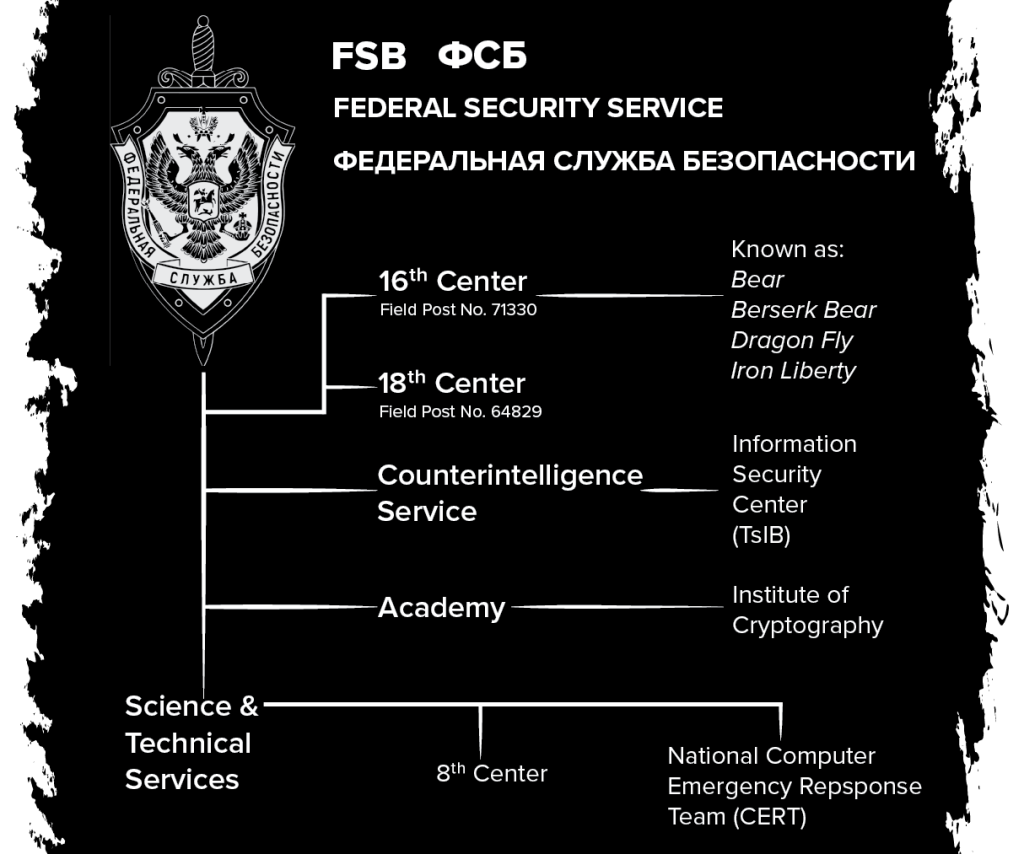
Russia places heavy emphasis on electronic warfare (EW) and information operations.
Capabilities include:
- GPS and communications jamming
- Cyber attacks on infrastructure
- Psychological and information warfare
- Disruption of enemy command and control
These tools allow Russia to offset conventional weaknesses by attacking adversaries in the information domain.
Defense Industry: Strengths and Constraints
Russia possesses a large domestic defense industry capable of producing:
- Tanks and armored vehicles
- Missiles and artillery
- Air defense systems
- Combat aircraft
However, sanctions and limited access to advanced electronics have:
- Slowed production of high-tech systems
- Increased reliance on legacy platforms
- Forced adaptations using commercial components
Strengths, Weaknesses, and Future Direction
Strengths
- Massive artillery and missile forces
- Strong air defense network
- Powerful nuclear deterrent
- Experience in hybrid warfare
Weaknesses
- Logistics and sustainment issues
- Aging equipment stocks
- Limited precision weapon reserves
- Economic and industrial constraints
Future Focus
- Missile-centric warfare
- UAV expansion
- Electronic warfare enhancement
- Nuclear force modernization
Russia remains a top-tier military power, but not an all-domain peer to the United States. Its strength lies in deterrence, firepower, and escalation control, rather than sustained global operations.
The Russian military is most dangerous in regional conflicts, where its missile forces, air defenses, and nuclear deterrent create serious risks for any adversary. However, prolonged conventional warfare exposes structural weaknesses that Russia continues to struggle to overcome.
In the modern era, Russia’s military is best described as strategically formidable, tactically uneven, and increasingly missile-centric.




0 Comments