The United States Armed Forces are widely regarded as the most powerful, technologically advanced, and globally deployed military force in human history. With unmatched defense spending, a worldwide base network, and dominance across land, sea, air, space, and cyberspace, the U.S. military plays a central role in shaping global security and geopolitics.
This blog takes an in-depth look at how the United States military is structured, how it fights, and why it continues to dominate the global military balance.
A Global Military Superpower
Unlike most nations that focus primarily on territorial defense, the United States follows a doctrine of global power projection. Its military is designed not only to defend the homeland but also to respond rapidly to crises anywhere in the world.
U.S. military doctrine emphasizes:
- Deterrence through overwhelming strength
- Forward deployment and rapid response
- Joint operations across all domains
- Technological superiority over adversaries
This approach allows the U.S. to influence events thousands of miles from its own borders—something no other military can do at the same scale.
Defense Budget: The Engine of U.S. Military Power
The United States has the largest defense budget in the world, exceeding the combined military spending of many major powers.
This massive budget supports:
- Continuous modernization of weapons and platforms
- Advanced research in stealth, AI, cyber, and hypersonics
- Global logistics and overseas bases
- Nuclear deterrence and space-based systems
While expensive, this funding ensures the U.S. military remains years—often decades—ahead of its competitors.
United States Army: Dominance on Land
The United States Army is the backbone of American ground combat power. It is structured for both large-scale conventional warfare and counterinsurgency operations.
Key strengths of the U.S. Army include:
- Heavy armored formations built around the M1A2 Abrams tank
- Highly mobile artillery systems like HIMARS
- Integrated air defense and battlefield networking
- A strong reserve and National Guard system
The Army is capable of deploying combat-ready units anywhere in the world within days.
United States Navy: Ruling the World’s Oceans
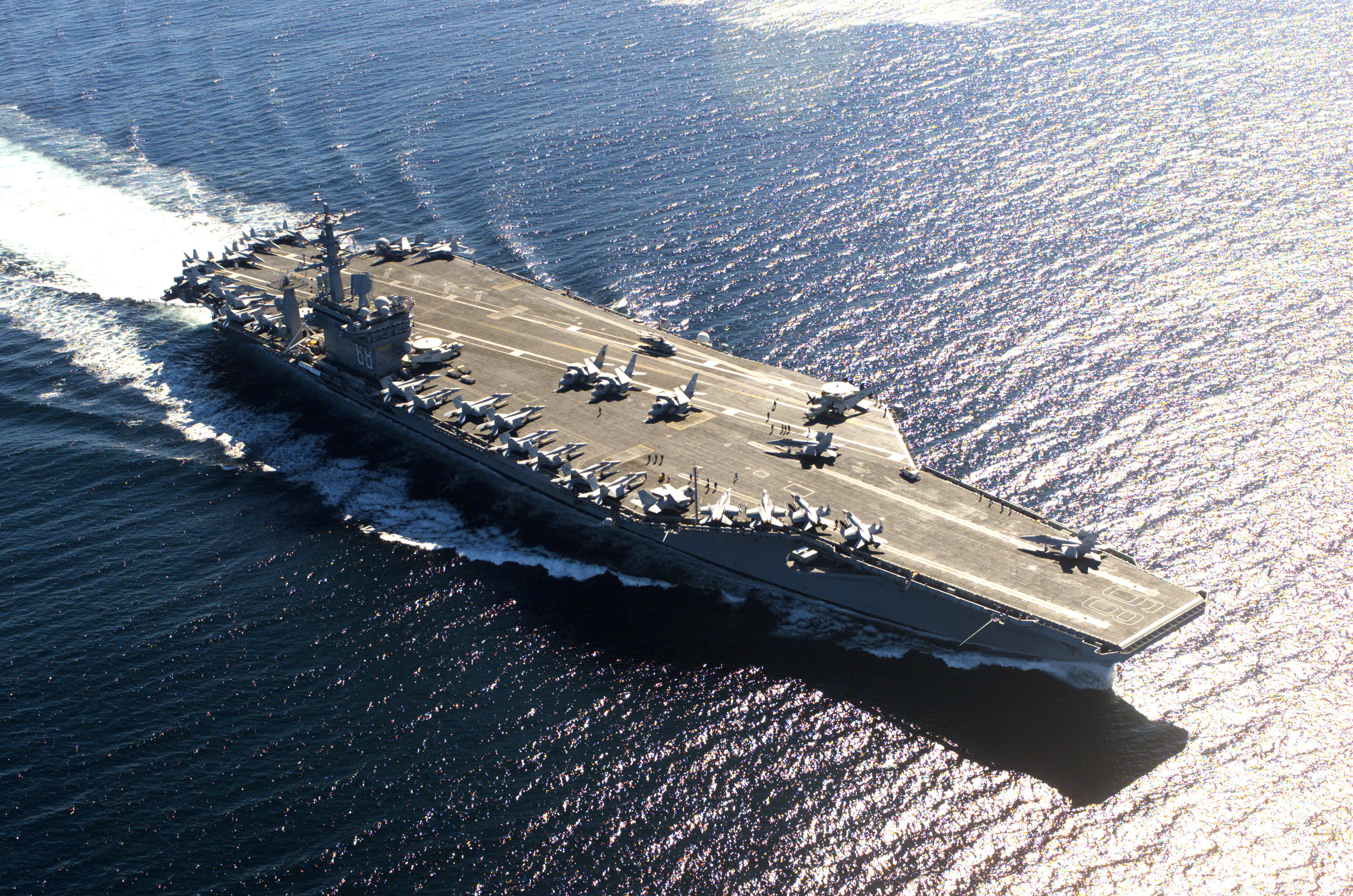
The United States Navy is the most powerful navy ever assembled. Its core strength lies in its aircraft carrier strike groups, which serve as floating airbases.
What makes the U.S. Navy unique:
- 11 nuclear-powered aircraft carriers
- A vast fleet of destroyers and cruisers with advanced missile defenses
- Silent and lethal nuclear submarines
- Global presence across all major oceans
The Navy ensures freedom of navigation, protects global trade routes, and provides nuclear deterrence at sea.
United States Air Force:
Total Air DominanceThe United States Air Force controls the skies through advanced stealth, precision strike capability, and unmatched global reach.
Its power comes from:
- F-22 Raptor for air superiority
- F-35 Lightning II for multirole dominance
- Stealth bombers like the B-2 Spirit and upcoming B-21 Raider
- A massive aerial refueling and transport fleet
No other air force can conduct sustained global air operations like the USAF.
United States Marine Corps: First to Fight

The United States Marine Corps is designed for speed, aggression, and expeditionary warfare.
Marines specialize in:
- Amphibious assault
- Rapid crisis response
- Operations in contested coastal regions
- Forward deployment aboard Navy ships
Often described as America’s “911 force,” the Marines are usually the first U.S. troops to arrive in a conflict zone.
Space Force & Cyber Warfare: The New Battlegrounds
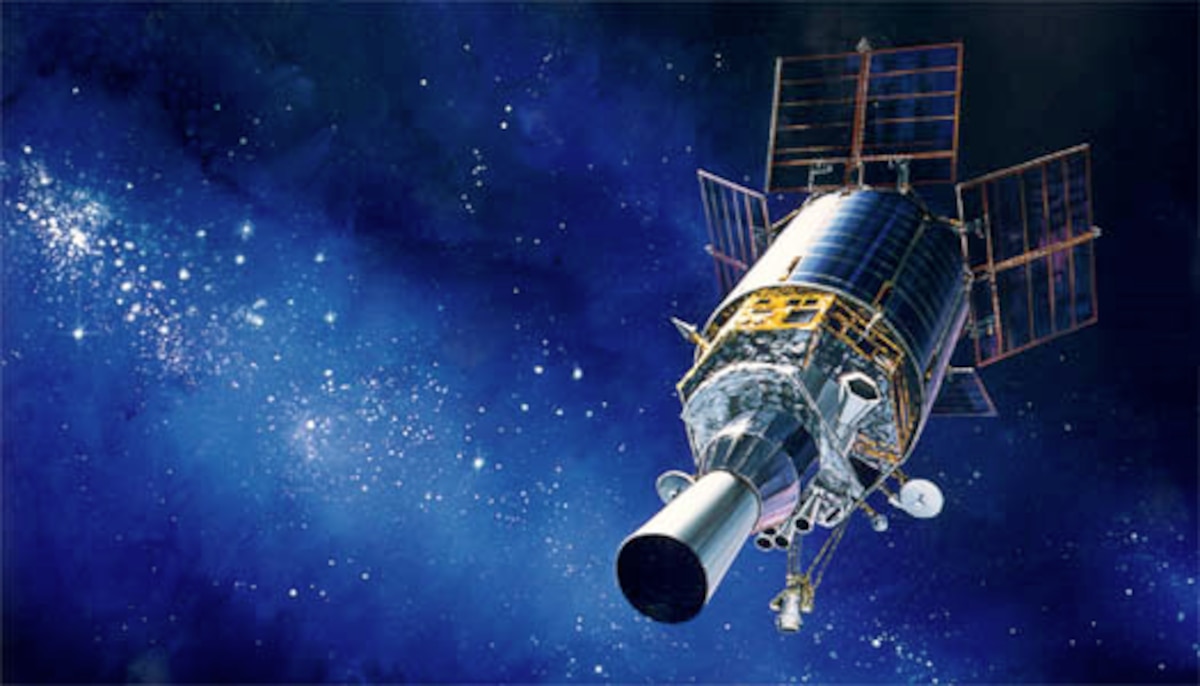
The United States Space Force reflects the shift of warfare into space. Its mission includes satellite protection, missile warning, and space domain awareness.
Meanwhile, U.S. cyber forces focus on:
- Defending military networks
- Conducting offensive cyber operations
- Disrupting adversary command systems
Modern U.S. military dominance increasingly depends on success in these invisible domains.
Nuclear Deterrence and Strategic Power
The United States maintains a nuclear triad consisting of land-based missiles, submarine-launched missiles, and strategic bombers. This ensures a credible second-strike capability, forming the backbone of American strategic deterrence.
Alliances, Industry, and Global Influence
The U.S. military does not operate alone. It is supported by:
- NATO and Indo-Pacific alliances
- A powerful domestic defense industry
- Global logistics and intelligence networks
American defense companies lead the world in stealth aircraft, missile defense, and next-generation warfare systems.
Strengths, Challenges, and the Road Ahead
Strengths
- Unmatched global reach
- Technological superiority
- Strong alliances
Challenges
- High operational costs
- Rising competition from China and Russia
- Overstretch from global commitments
Future Focus
- Hypersonic weapons
- AI-driven combat systems
- Space and cyber dominance
The United States military remains the benchmark against which all other armed forces are measured. While the global balance of power is evolving, no nation currently matches the U.S. in combined military capability, technological depth, and worldwide presence.





0 Comments