France occupies a unique position in global military affairs. It is Europe’s most militarily autonomous power, a nuclear-armed state, a permanent UN Security Council member, and one of the few countries capable of conducting full-spectrum military operations independently. The French Armed Forces combine advanced technology, expeditionary experience, and strategic independence in a way unmatched by most European militaries.
This in-depth profile explores how France’s military is structured, how it fights, and why it remains one of the most respected armed forces in the world.
Strategic Vision and Military Doctrine
France’s military doctrine is shaped by a strong belief in strategic autonomy. Unlike many European states, France insists on retaining the ability to:
- Defend its national interests independently
- Conduct overseas combat operations without relying entirely on allies
- Maintain an independent nuclear deterrent
French doctrine emphasizes:
- Expeditionary warfare, especially in Africa and the Middle East
- Rapid intervention forces
- Joint, integrated operations
- Nuclear deterrence as the ultimate guarantee of sovereignty
France also maintains territories and military bases across the globe, giving it a truly global military footprint.
Defense Budget and Spending Priorities
France consistently ranks among the top military spenders globally, with annual defense spending exceeding €45 billion and rising under long-term modernization plans.
Key spending priorities include:
- Nuclear deterrent modernization
- Advanced fighter aircraft and drones
- Naval power, including aircraft carriers and submarines
- Cyber, space, and intelligence capabilities
France focuses on balanced forces, ensuring all domains—land, sea, air, space, and cyber—are combat-capable.
French Army: Agile and Combat-Experienced

The French Army is designed for mobility, rapid deployment, and high-intensity combat.
Structure and Role
- Around 120,000 active personnel
- Optimized for expeditionary and NATO operations
- Extensive experience in real-world combat operations
Key Equipment
- Leclerc main battle tank (one of the most advanced in Europe)
- CAESAR 155mm self-propelled artillery system
- VBCI infantry fighting vehicles
- Advanced ISR, drones, and electronic warfare systems
French ground forces are smaller than mass armies but excel in speed, professionalism, and combined-arms integration.
French Navy: Blue-Water Power with Nuclear Reach
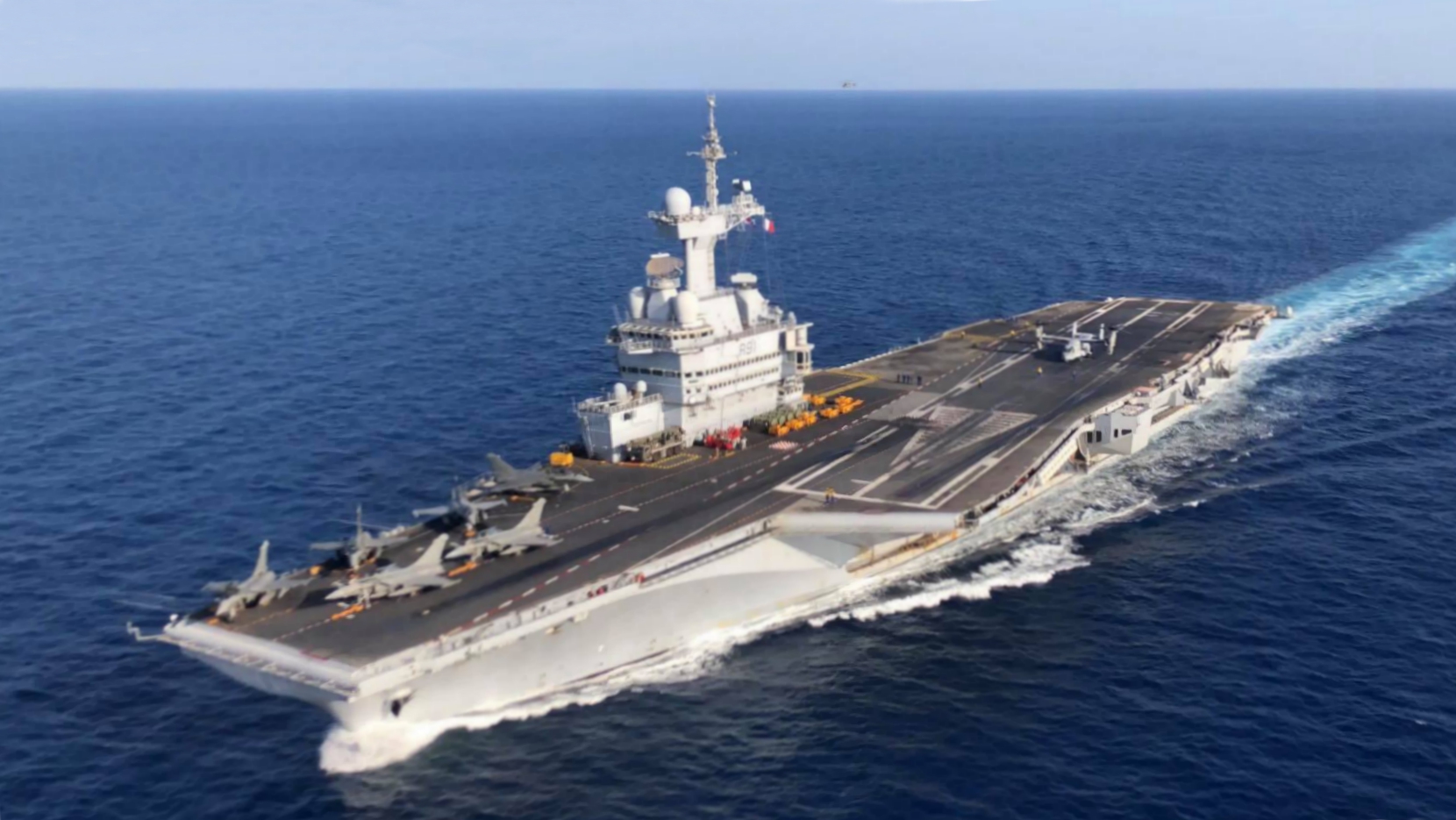
The French Navy is one of the most capable navies in the world.
Naval Strength
- Charles de Gaulle, Europe’s only nuclear-powered aircraft carrier
- Nuclear-powered attack submarines
- Ballistic missile submarines for nuclear deterrence
- Advanced frigates and destroyers
Strategic Role
- Power projection and carrier strike operations
- Protection of overseas territories
- Nuclear deterrence at sea
- Maritime security and freedom of navigation
France is one of only a handful of countries capable of carrier-led combat operations.
French Air and Space Force: Precision and Reach
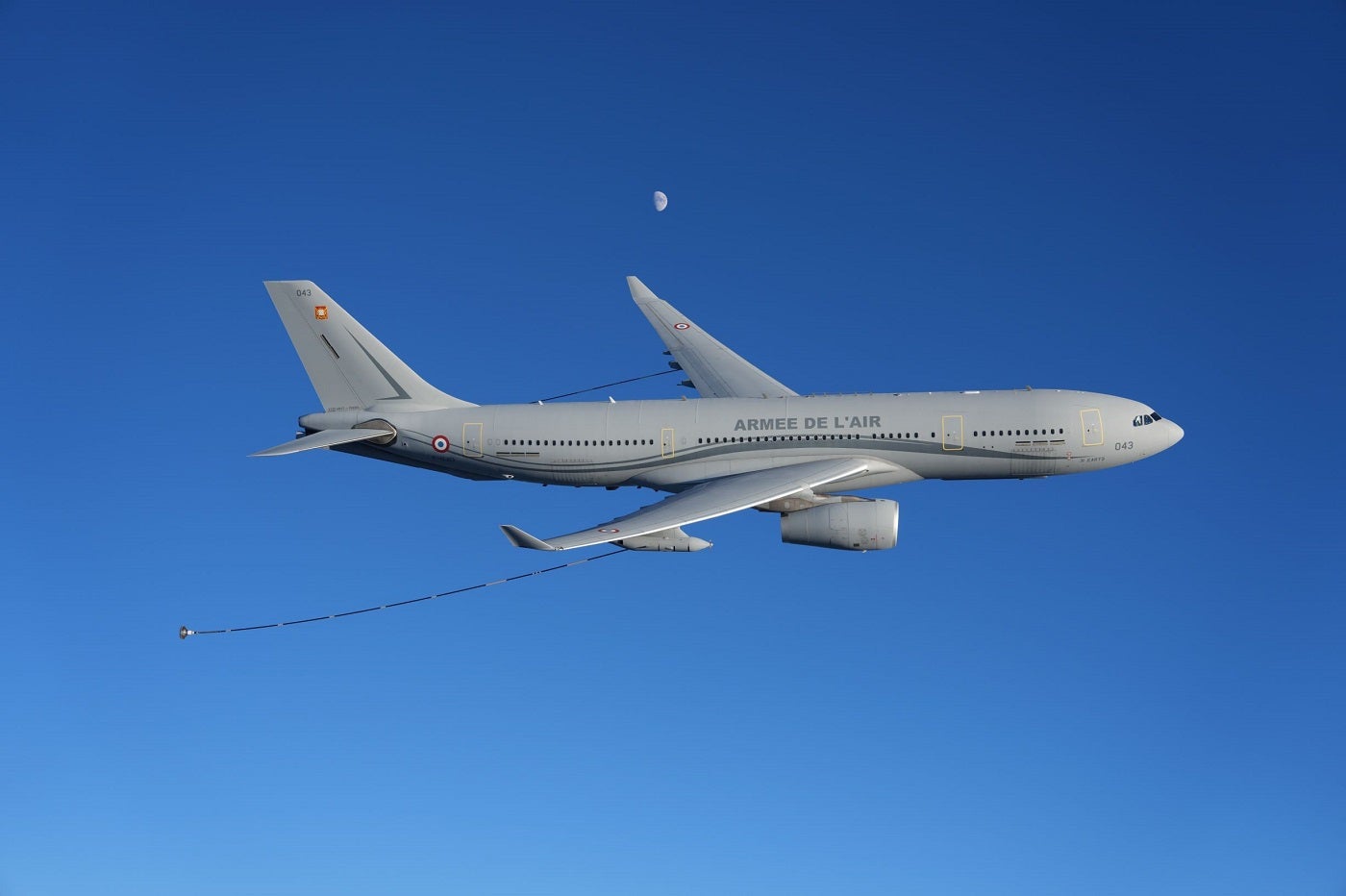
The French Air and Space Force provides France with air superiority, strategic strike, and global mobility.
Key Capabilities
- Rafale multirole fighter (nuclear-capable)
- A330 MRTT aerial refueling aircraft
- AWACS and ISR platforms
- Integrated space surveillance and satellite operations
The Rafale’s versatility allows France to conduct conventional and nuclear missions with the same aircraft platform.
Nuclear Deterrence: The Core of French Strategy
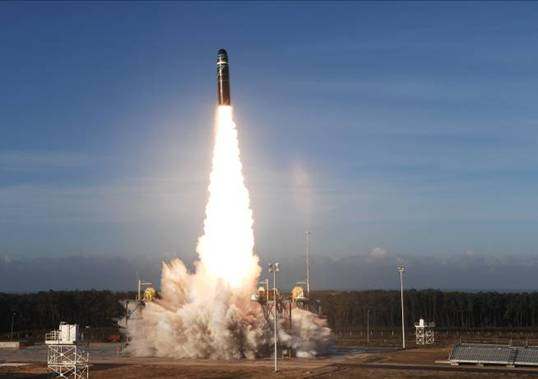
France maintains a fully independent nuclear deterrent, separate from NATO command structures.
The French Nuclear Deterrent consists of:
- Sea-based deterrent: Triomphant-class SSBNs with M51 missiles
- Air-based deterrent: Rafale aircraft carrying nuclear-capable cruise missiles
France does not rely on land-based nuclear missiles, focusing instead on survivable and flexible deterrence.
Cyber, Space, and Information Warfare
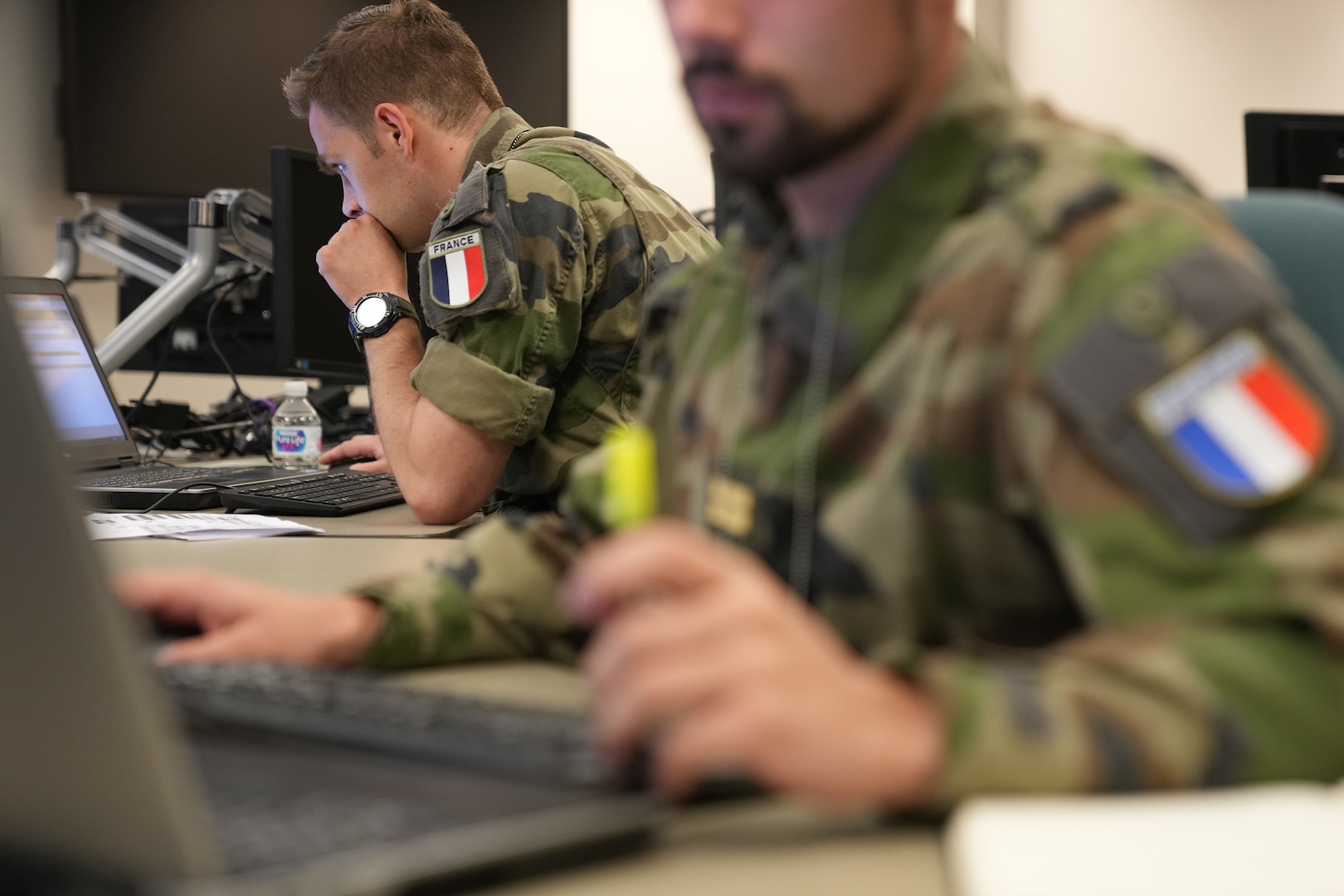
France has invested heavily in emerging domains.
Key capabilities include:
- Offensive and defensive cyber warfare
- Military satellites for surveillance and communications
- Space situational awareness
- Electronic and information warfare
These domains are seen as critical force multipliers in modern conflict.
Special Forces: Quiet Professionals

French Special Operations Forces are among the most experienced in the world.
Elite units include:
- Commandos Marine (naval SOF)
- 1er RPIMa (army SOF)
- CPA 10 (air force SOF)
They specialize in counterterrorism, direct action, reconnaissance, and hostage rescue, often operating in austere environments.
Defense Industry: A Pillar of Strategic Autonomy

France possesses one of the most complete defense-industrial bases in the world.
Major companies include:
- Dassault Aviation
- Naval Group
- Thales
- MBDA
France designs and produces:
- Fighter jets
- Warships and submarines
- Missiles and air defense systems
- Radars, sensors, and electronics
This industrial independence underpins France’s strategic freedom.
Strengths, Weaknesses, and Future Direction
Strengths
- Strategic autonomy
- Nuclear deterrence
- Combat-proven expeditionary forces
- Strong defense industry
Weaknesses
- Limited manpower compared to mass armies
- High operational tempo strains resources
- Budget pressures during long deployments
Future Focus
- Next-generation fighter programs
- Expanded space and cyber warfare
- AI and drone integration
- Sustained overseas presence
France is not the largest military, but it is one of the most complete. Few nations can match its ability to independently conduct nuclear deterrence, carrier strike operations, air campaigns, and overseas interventions.
In modern warfare, France stands as Europe’s most autonomous military power—capable, experienced, and strategically independent. Whether operating alone or with allies, the French Armed Forces remain a decisive and credible force on the global stage.




0 Comments